
We’ve helped countless children and families to overcome challenges
Discover the difference that our work has made to children, young people and families that we have supported

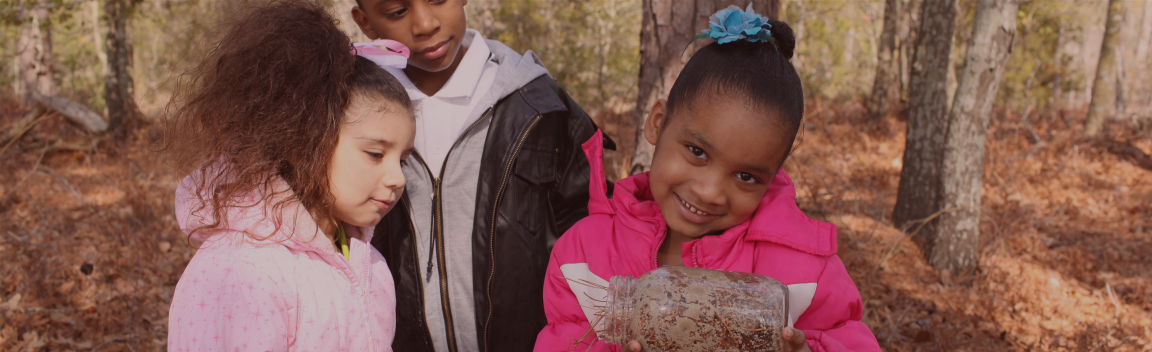
A second chance
Imagine being a child whose pain feels invisible and whose emotions are constantly misunderstood. This was Lilah’s reality when her school referred her to Dandelion Time. Domestic abuse had been a constant presence in Lilah’s life and as a result, she was fearful, anxious, and unsure of how to express herself. Since leaving Dandelion Time, Lilah now attends school four days a week and has started to form bonds with her peers.
Read more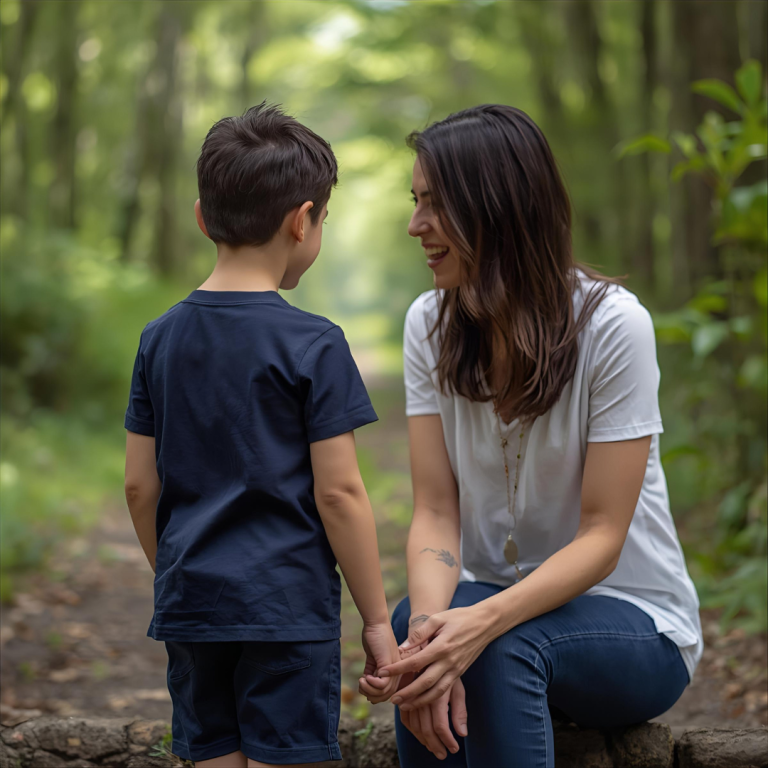
Finding confidence, connection, and his voice
When Archie first came to Dandelion Time, he barely looked up. Life hadn’t been easy. After a turbulent start with birth parents who couldn’t meet his needs, he went to live with his Auntie and Uncle. He was loved there—but love couldn’t erase the feeling that he didn’t quite belong, that the world was a place to watch from the sidelines. When he first began sessions at Dandelion Time, Archie stayed close to his Auntie, Lauren, quiet and watchful. But there were glimpses of curiosity—a glance, a flicker of eye contact, the beginnings of reaching out. Read Archie’s story and find out how friendships blossomed, and how his shield became a symbol of his healing.
Read more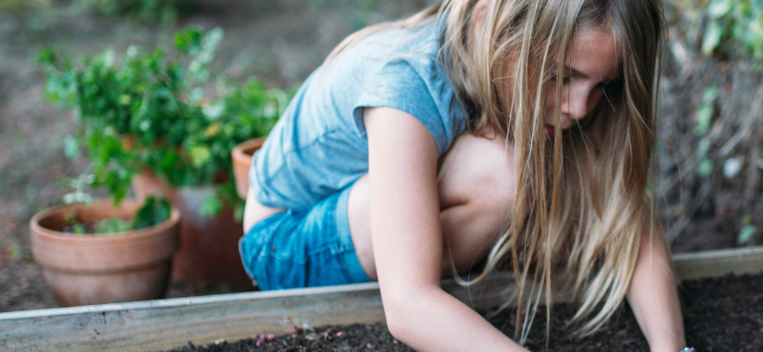
Our safe place
Amelie witnessed her dad’s passing after a 4-year battle with cancer, and struggled to express her grief, which often resulted in angry outbursts. At Dandelion Time she was able to open up in a way her mother Emma had never heard before.
Read more
Looking for treasures
7 year-old Mia, a looked-after child, had experienced many different family moves and found it hard to trust others or form attachments, and therefore couldn’t settle in placements. The peaceful setting and gentle rituals at Dandelion Time provided a safe environment for Mia to build a lasting relationship with her new carer, Tara.
Read more
Finding your voice
Following traumatic events, 11-year-old Luke suffered with extreme anxiety and withdrawal and could only communicate with his mum. He always kept his coat on, with the hood up, indoors as well as outside, whatever the weather, and completely avoided eye contact. Luke has since successfully transitioned into secondary school, without hiding under his coat.
Read more


